The allure of chance and risk
Gambling is often characterized by the allure of chance and risk, compelling individuals to engage in a behavior that can be both thrilling and detrimental. The psychological drivers behind this behavior include a desire for excitement, the potential for financial gain, and the social aspects of gaming environments. Casinos are designed to amplify these feelings, incorporating bright lights, engaging sounds, and rewarding experiences that can lead individuals to lose track of time and money. Many players seek opportunities for excitement, even exploring online sweepstakes casinos as a new way to engage.
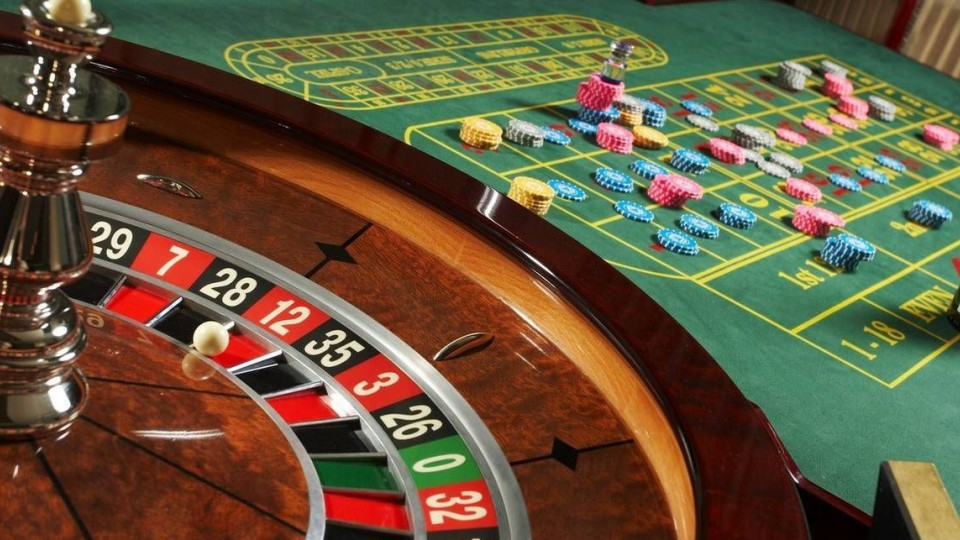
This thrill-seeking behavior taps into the human brain’s reward system. When individuals win, whether on a slot machine or a card game, their brain releases dopamine, a neurotransmitter associated with pleasure and reward. This creates a cycle where the rush of winning enhances the desire to continue gambling, often despite the odds being stacked against them.
Cognitive biases at play
Many gamblers exhibit cognitive biases that shape their gambling behavior. One of the most prominent is the illusion of control, where players believe they can influence the outcome of a game through skill or strategies, despite the inherent randomness. This bias is particularly strong in activities like poker, where skill does play a role, leading players to overestimate their abilities.
Another common bias is the gambler’s fallacy, which suggests that past events influence future outcomes. For example, a player may believe that a slot machine, which has not paid out recently, is «due» for a jackpot. This misconception can lead to increased gambling activity, as individuals chase perceived losses while ignoring the statistical reality that each spin or deal is independent of the last.
The impact of environment on gambling behavior
The physical environment of casinos plays a significant role in shaping gambling behavior. The layout, design, and ambiance of a casino are meticulously crafted to keep players engaged and coming back for more. Features such as the absence of clocks, the use of extravagant decorations, and the availability of alcohol create a setting that encourages extended play and minimizes awareness of time and expenditure.
Furthermore, the social atmosphere within casinos can amplify gambling activity. The presence of other players and the excitement of shared victories or losses can motivate individuals to participate more aggressively. This social reinforcement often leads to heightened gambling behavior, where individuals feel encouraged by their peers to continue playing, despite losses.
The psychological toll of gambling addiction
While many people gamble recreationally, there is a significant number who develop gambling disorders. This addiction can lead to devastating consequences, including financial ruin, strained relationships, and mental health issues such as anxiety and depression. The compulsive nature of gambling can create a vicious cycle where individuals feel compelled to continue gambling to recover losses, leading to a downward spiral of desperation and further loss.
Treatment for gambling addiction often includes therapy, support groups, and sometimes medication to address underlying mental health issues. Understanding the psychological factors at play is crucial for both individuals struggling with gambling addiction and those supporting them, as it can foster empathy and encourage healthier behaviors.

Ensuring a safe gambling experience
In the context of the contemporary gambling landscape, it is essential for both players and operators to foster a safe and responsible gaming environment. Websites dedicated to providing accurate information about gambling behaviors can help individuals better understand the risks and realities of gambling. By promoting responsible play, these platforms aim to reduce the potential for addiction and encourage healthier gambling practices.
Moreover, ensuring users have access to resources for assistance, such as counseling services and support groups, can greatly alleviate the psychological burden associated with gambling. With the right tools and information, players can make informed decisions and enjoy gambling as a form of entertainment rather than a source of distress.
